43 in ear monitor setup diagram
American Musical Supply is excited to be your stop for in-ear monitor systems! We offer True 0% interest payment plans - applying is easy. Use your own debit or credit card, enjoy fast and free shipping, and add an in-ear monitor system to your creative setup. Monitoring in stereo can also allow for lower overall listening levels. Interference with the Audience Mix. The benefits of personal monitors extend beyond those available to the performer. An unfortunate side-effect of wedge monitors is spill from the stage into the audience area.
In-ear monitors can be wireless or wired. It is most common to find them in a wireless format due to the ability to be mobile. In this format, they work oppositely as a wireless microphone system. From your mixer, you would take the same feed you would send to your stage monitors and plug it into the wireless monitor transmitter.

In ear monitor setup diagram
In ear monitor systems consist of three components : the transmitter, the receiver, and a pair of earphones. The transmitter is placed off to the side and is used to send the audio of the performance to the receiver. This audio is known as the monitor mix. The receiver is generally worn as a belt pack, which the earpiece is plugged into. In-Ear Monitoring. In-ear monitoring is certainly all the rage at the moment, but time will tell whether it is eventually replaced by something different or better. Basically, it does what it says on the tin: instead of wedge monitors and side-fills, musicians have earpieces through which they hear their monitor mixes. A basic add-on personal mixer system and reasonable-quality in-ear monitors will run about $675 a person. You may have to add some gear to make this interface with your current mixer. At the high end, a wireless in-ear rig and a larger channel count system can run around $1,300 per person, so the decision may be driven by budget.
In ear monitor setup diagram. In today's video, we are going to talk about IEMs for guitar players! IEMs or In-Ear-Monitors are super important to have as a working guitarist. First, we a... Hey everyone! :) I want to connect in-ear monitors to my current setup (please see diagram below). Simplest option would be connecting headphones directly into amp, but if I do so, sound via speakers is cut off. Unless I use LINE OUT, which don't mute speakers when connected - but connecting headphones directly into LINE OUT won't work. You stick the ear tampon down your ear canals with a Q-tip, mix the foam, put it in the syringe, and then use the syringe to fill your ear canal. You want to get the ear tampon in there as far as you can, about as far as you can get it without hurting (at some point, if you go too far it will hurt A LOT). Look at my hand little anatomy diagram. In-ear monitors (IEMs) give performers control over their mix volume, and an ear mix remains consistent even when the performer moves around the stage. Here's what you need to know before you stick it in your ear. Earbuds are for kids In-Ear Monitor Rule Number One: Leave the earbuds at home.
Rolls PM351 Personal In-Ear Monitor Station. $81.00. Rolls PM50s In-Ear Personal Monitor Amplifier. $49.00. Sennheiser ew IEM G4-TWIN-A1 Wireless stereo monitoring twin set. Frequency range: A1 (470 - 516 MHz) $1,349.00. View as: Position Name Price. CLICK HERE - https://bit.ly/2VxXqVuSpotify https://open.spotify.com/artist/52i8icBaHaCmh6PlmYwaqDiTunes https://itunes.apple.com/us/artist/carl-wockner/46056... Connect your wired in-ears to the headphone amp or your wireless in-ears to the receiver and power everything up. Create your first monitor mix by having everyone play a song and get a basic mix going—the band member listening to the mix will give feedback about how the mix should be tweaked to get it perfect for them. A short video on setting up an "In-ear Monitor System". What in -ear systems are, what you need to put one together, and how to connect them.Disclaimer: Th...
Free Worship Leader Training - https://worshipleaderschool.com/free-trainingDownload Free Churchfront Pads - https://www.churchfrontpads.com/Access the Worsh... Behringer Mixer: https://amzn.to/2QqWHk4Elite Core Pack: https://amzn.to/2DQWzsCStereo To Mono 1/8 adapter: https://amzn.to/2DWkreCStereo To Mono 1/4 Adapter... This video illustrates two methods for setting up a wireless in-ear monitor, using a Shure PSM-600 transmitter & receiver.This type of unit may be purchased ... Start by placing monitors 3-5ft in front of each performer or group of performers. The ideal location for a stage monitor is somewhere in front of the performer (s) and pointed away from as many mics as possible to eliminate the chance of getting feedback. Once the monitors are where you want them, the next step is to run the cables.
EarMix Personal Monitoring System Application Guide | PreSonus
HS7 Hot Spot The Original Personal Monitor for Live Stage Near-Field Vocal Monitoring - Cut Sheet pdf 0.5MB HS7 Hot Spot The Original Personal Monitor for Live Stage Near-Field Vocal Monitoring - Quick Start Guide pdf 2.1MB

Live Sound 101: Sound System Design and Setup for a Live Band ...
This is a video on how to set up a Behringer X32 for use with 6 monitors. You can use these same techniques for setting up more or less monitors.I will be p...

In-Ear Mixing with Intuitive Control - KLANG blog
A basic add-on personal mixer system and reasonable-quality in-ear monitors will run about $675 a person. You may have to add some gear to make this interface with your current mixer. At the high end, a wireless in-ear rig and a larger channel count system can run around $1,300 per person, so the decision may be driven by budget.

Ubisoft Forums
In-Ear Monitoring. In-ear monitoring is certainly all the rage at the moment, but time will tell whether it is eventually replaced by something different or better. Basically, it does what it says on the tin: instead of wedge monitors and side-fills, musicians have earpieces through which they hear their monitor mixes.
How to create the best at-home videoconferencing setup, for ...
In ear monitor systems consist of three components : the transmitter, the receiver, and a pair of earphones. The transmitter is placed off to the side and is used to send the audio of the performance to the receiver. This audio is known as the monitor mix. The receiver is generally worn as a belt pack, which the earpiece is plugged into.
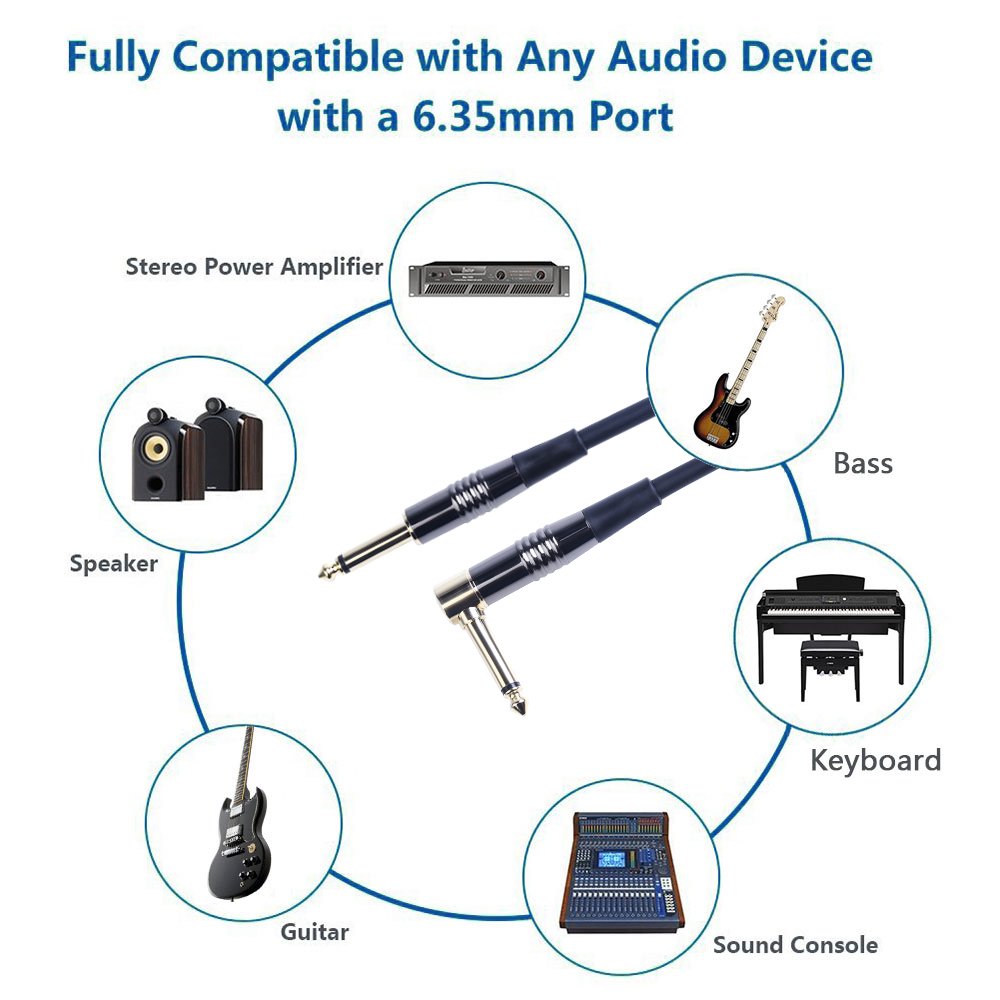
Rayzm Guitar Cable-5m Noiseless Guitar/Bass Lead,1/4 Straight ...

How to run in ears simply for drummers

In-Ear Monitoring: Why use Personal Monitor Systems?
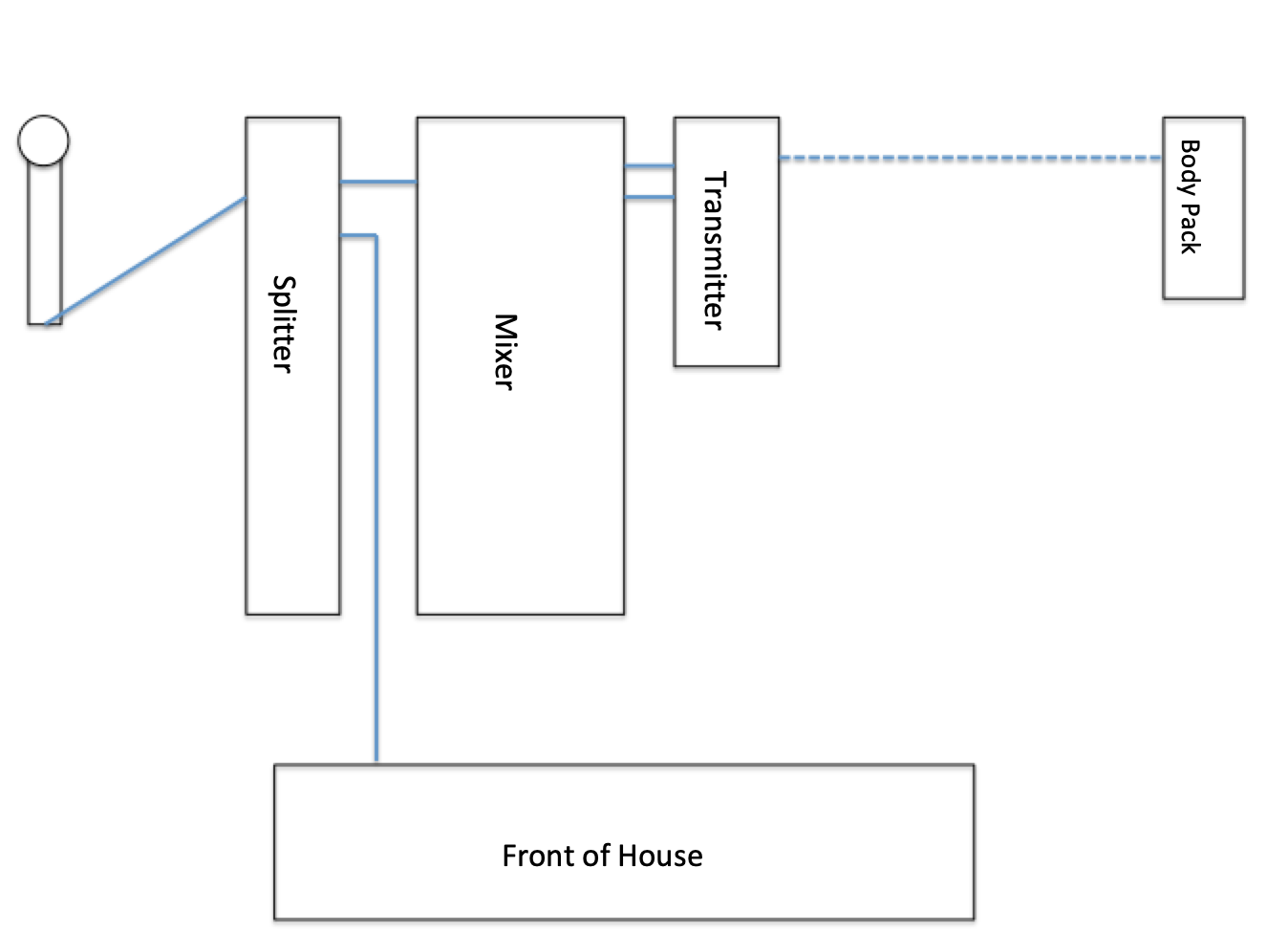
What You Need to Know to Build Your Own In-Ear Rig
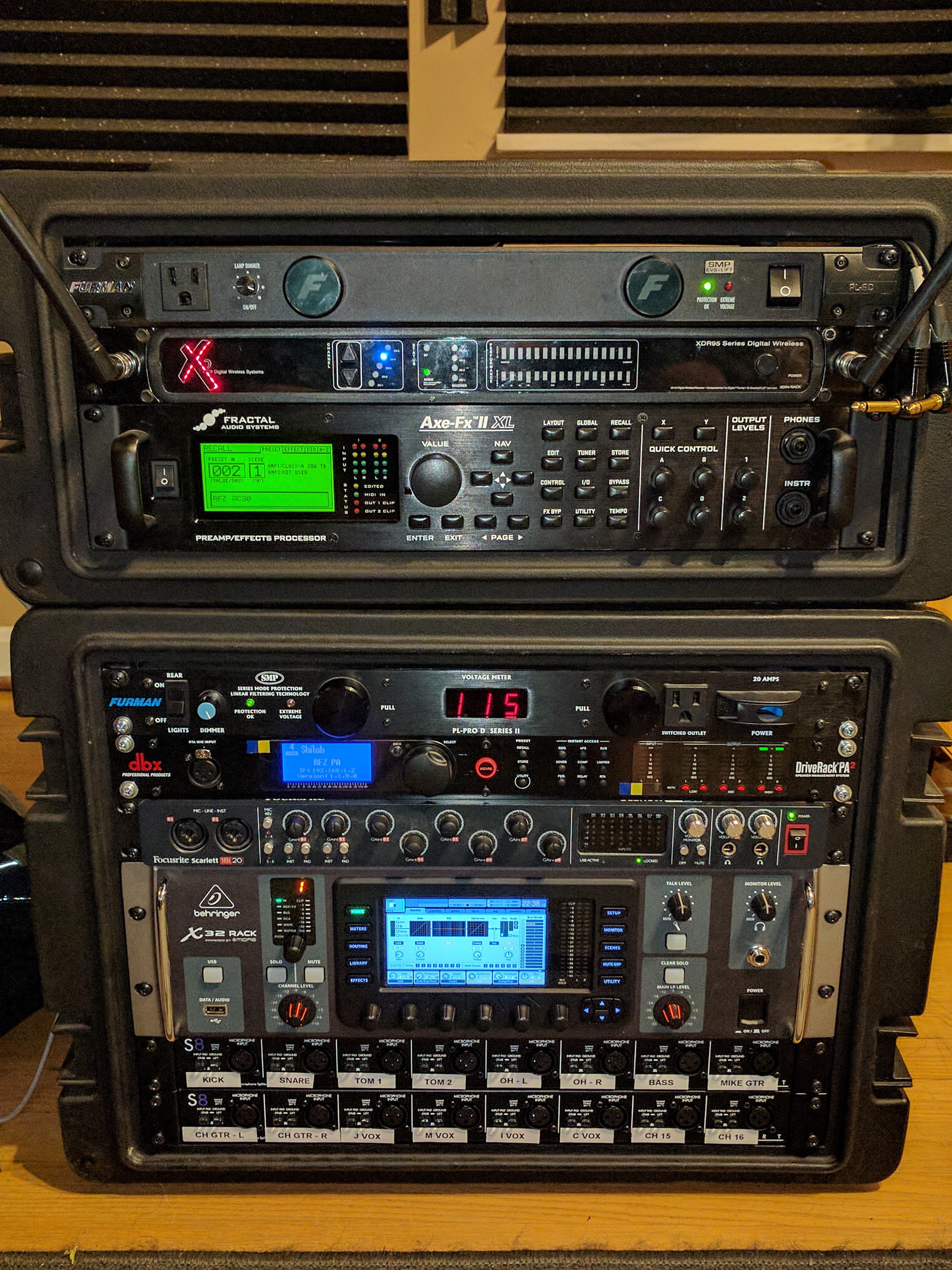
Guys running IEM - how do you route? | Fractal Audio Systems ...

Quality control process on the production line, using ...

How to set up In Ear Monitoring for under $110 - Worship ...
SOKC ET8/12 8 channel professional audio mixer console ...

Aviom personal monitor diagram setup | Music is life, House ...
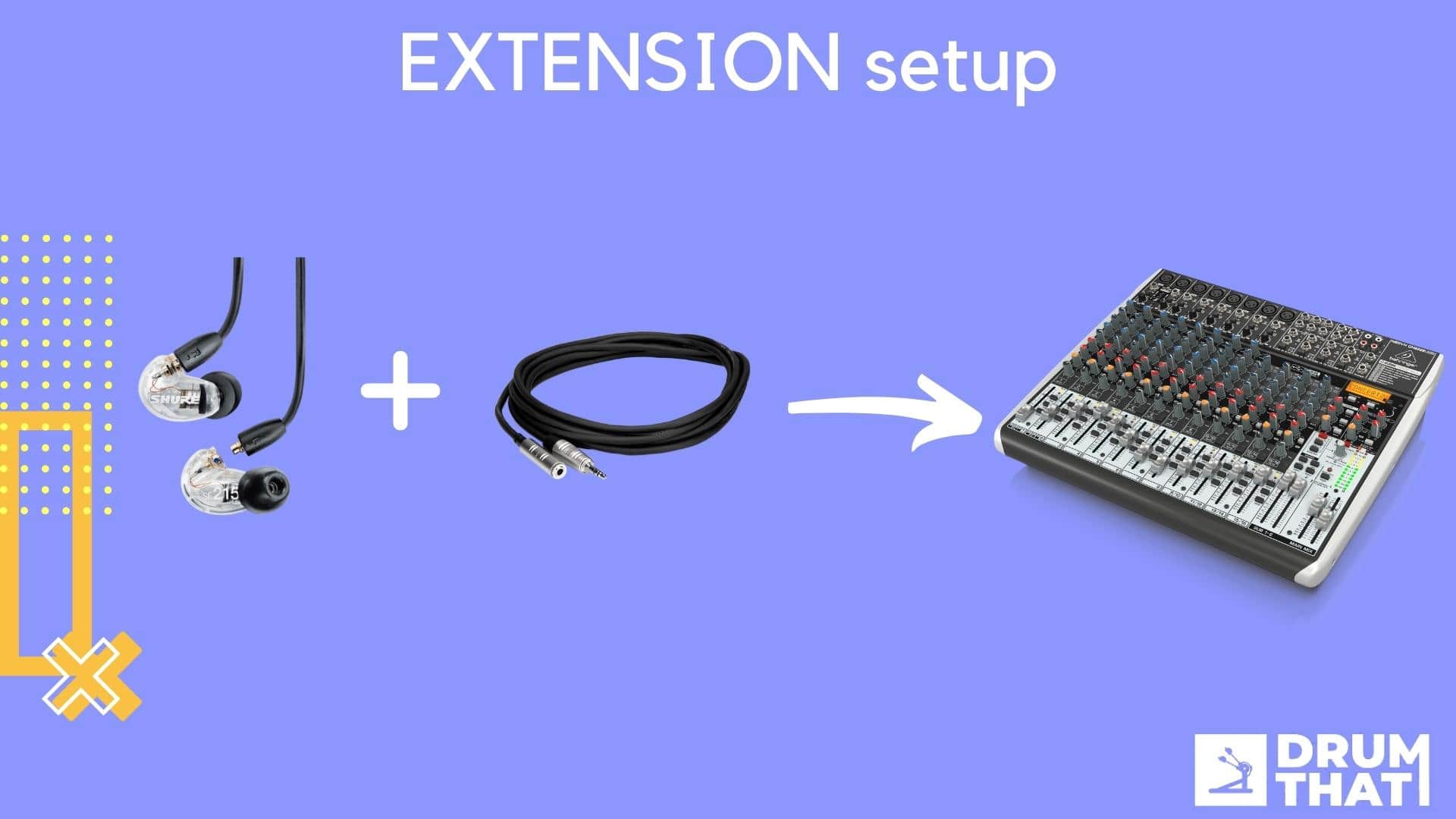
How to Set up in-ear Monitors for Drummers - Drum That

The Ears Have It! (part 2) - Audiofanzine

Switching to In-Ear Monitors on a Budget
Modded Behringer Powerplay IEM (build report, DIY) | TalkBass.com
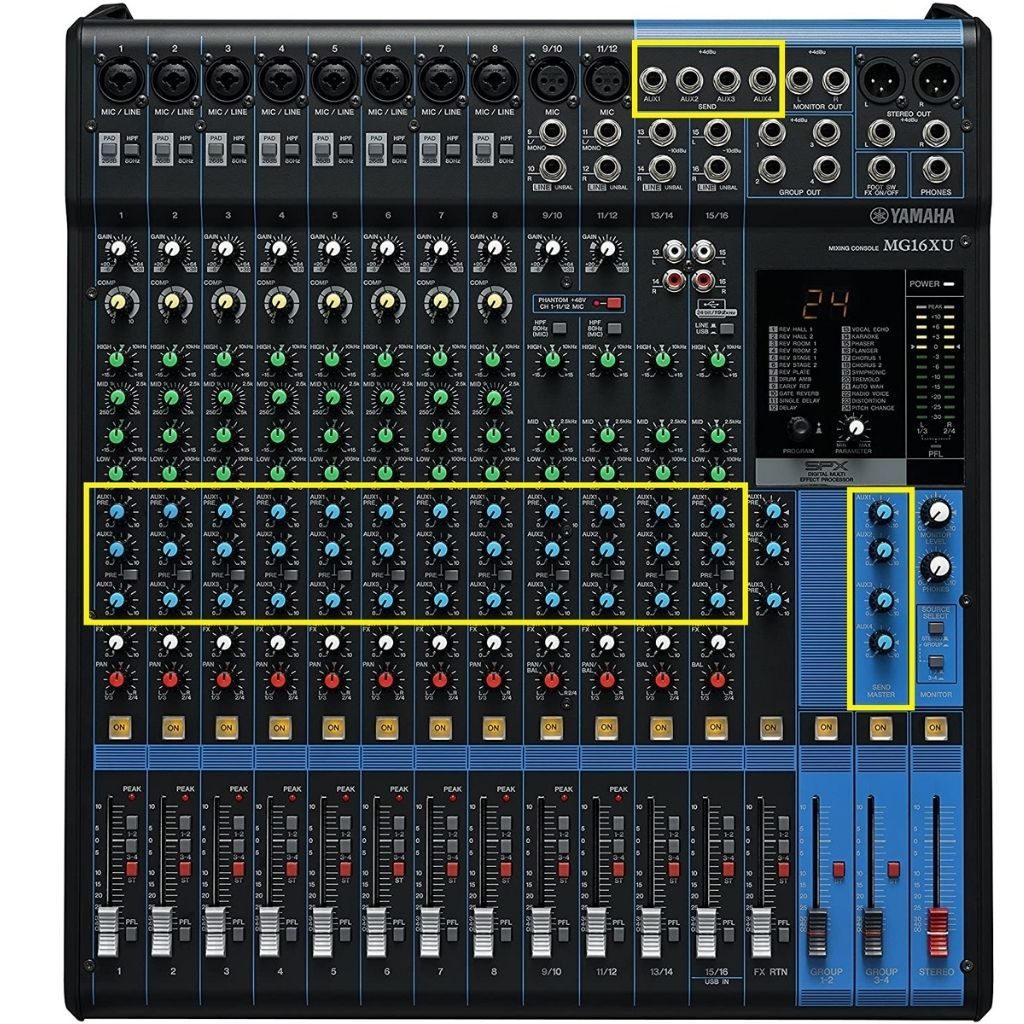
How to Set Up Stage Monitors - Virtuoso Central

Simple In-Ear Monitor Setup for Drummer – Loop Community Blog ...

Rolls PM50S Personal Monitor Amp - Recording - Harmony Central

How to set up In Ear Monitoring for under $110 - Worship ...
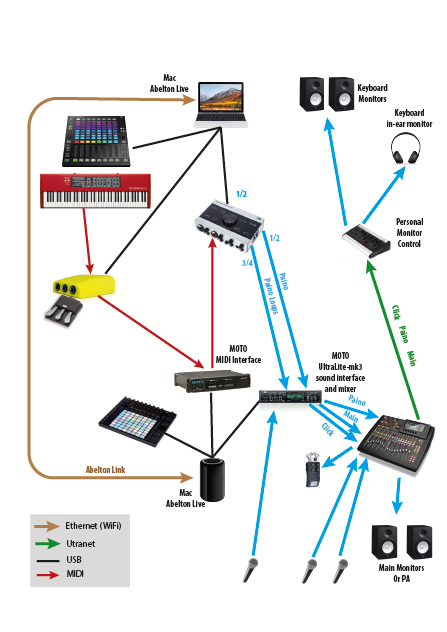
Technical – matthew bickerton

In-Ear Monitors for Drummers: The Ultimate Guide for a Great ...

Expectancy effects in the EEG during joint and spontaneous ...

Newest ACEMIC V5S Stereo Wireless In Ear Monitor System For ...

HammerFall | Built to Tour 2017 with KLANG:fabrik - KLANG blog

Personal Monitoring for In-Ear Monitors | The Basics ...

5 Best In-Ear Monitor Systems For Musicians - 2021

Discussion View - Music Tribe Community

New to running tracks. Any advice on my setup? : r/livesound

The benefits of in-ear monitors - Audiofanzine
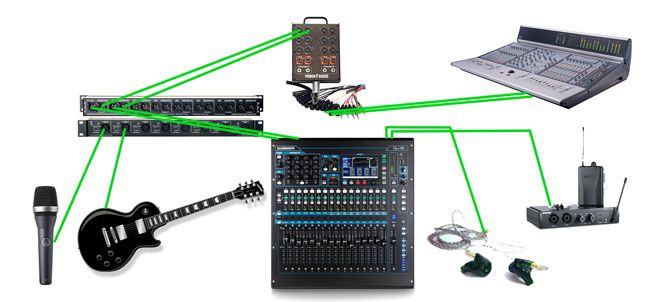
Getting Started with In-Ear Monitoring : Ask.Audio
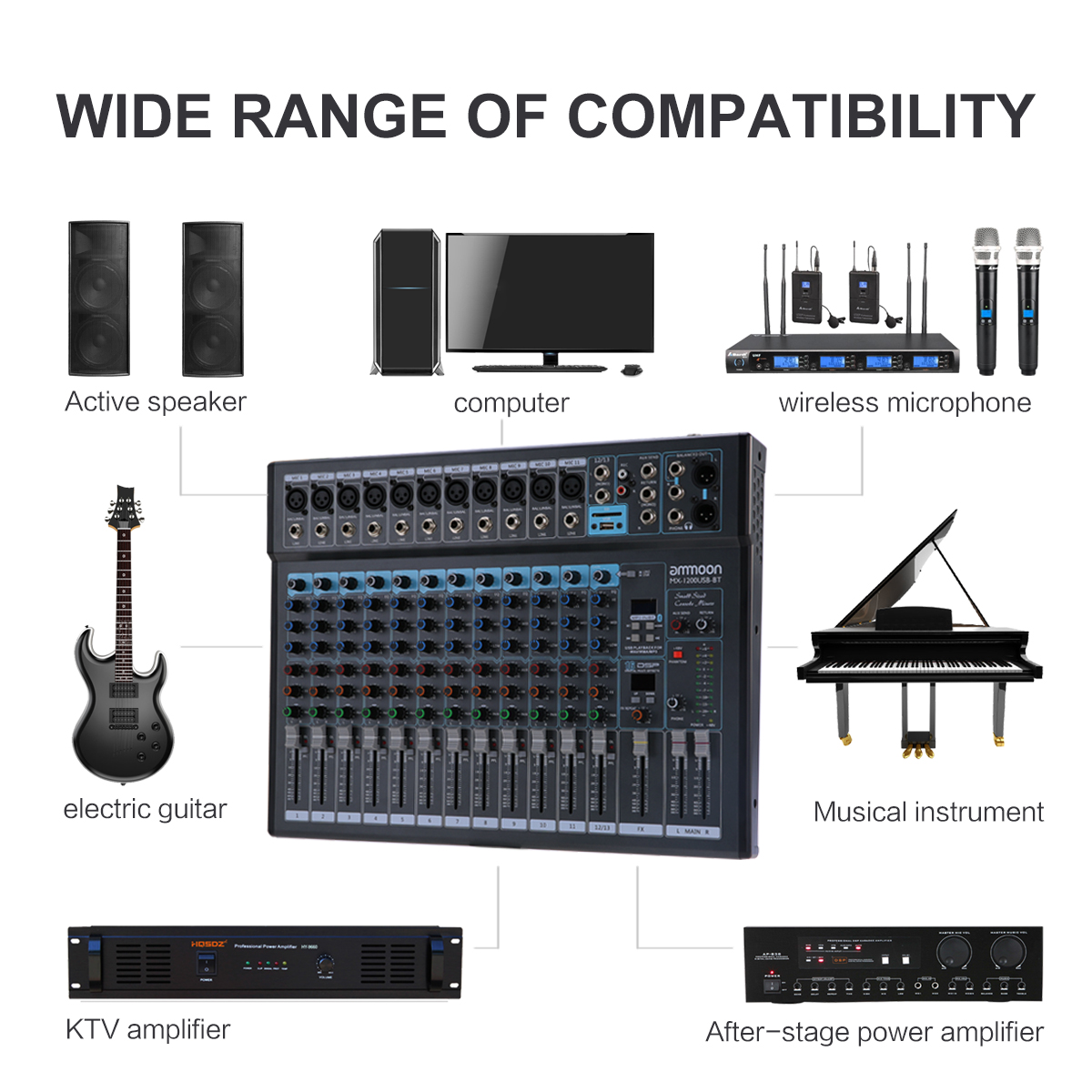
ammoon MX-1200USB-BT 12-Channel Mixing Console Mixer Built-in ...

EarMix Personal Monitoring System Application Guide | PreSonus

KARIOTIS Audio & LIghting - AVIOM
Yamaha CL & QL Series with KLANG In-Ear Monitoring Solutions

How to Run Backing Tracks Live: A Step by Step Guide | Repeat ...
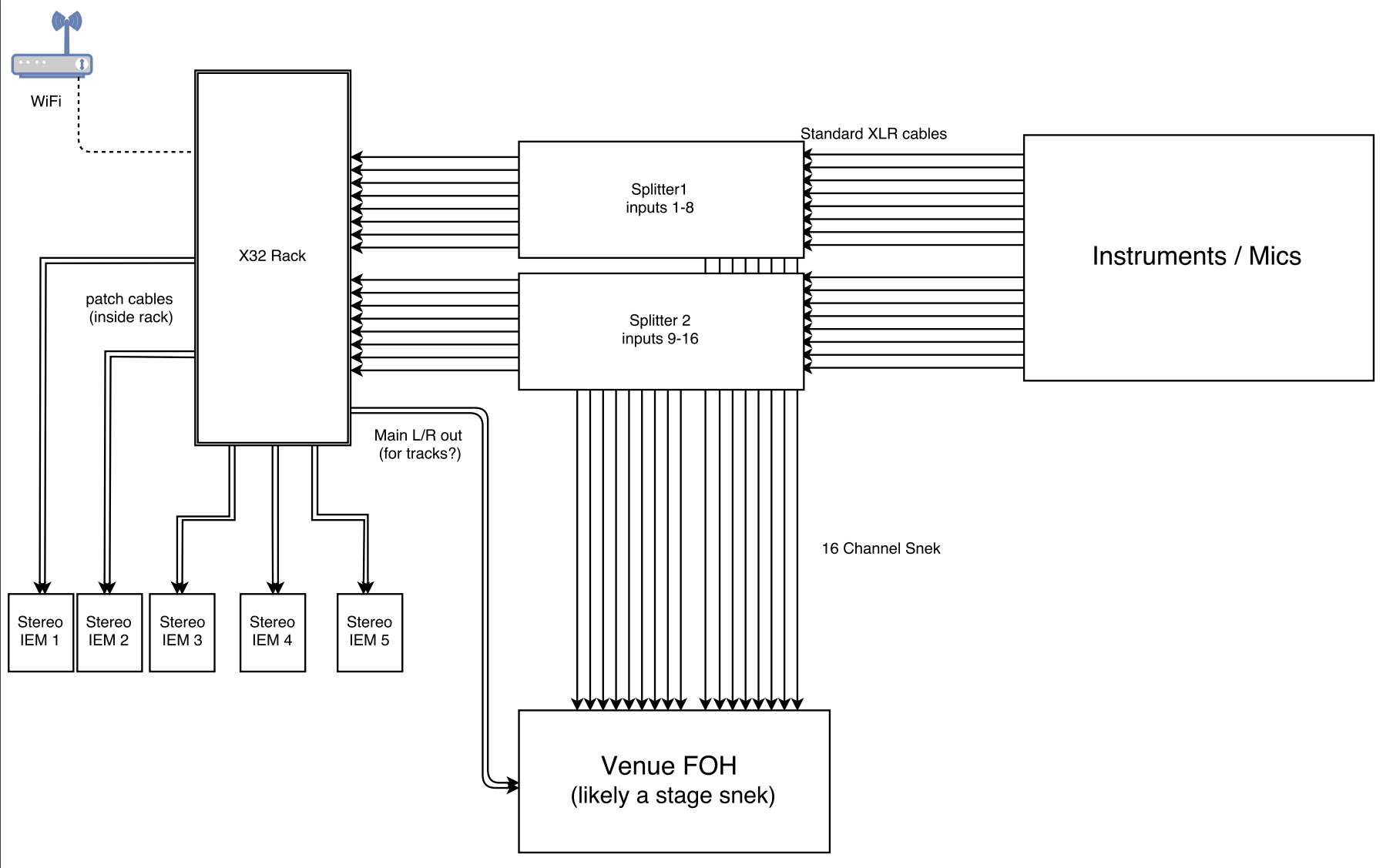
Guys running IEM - how do you route? | Fractal Audio Systems ...

IXM Jump Audio - In Ear Monitor Systems

In-Ear Monitors for Drummers: The Ultimate Guide for a Great ...

How to set up In Ear Monitoring for under $110 - Worship ...

5 Ways to Use the Hotshot 48v - Radial Engineering


Comments
Post a Comment