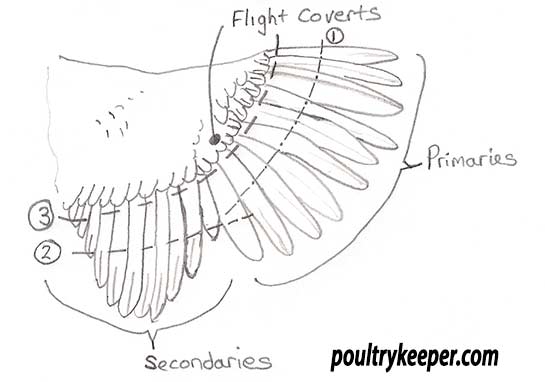
43 chicken wing diagram labeled
My favorite part of a chicken is, hands down, the wing. Whether I’m nibbling on one as I carve up a whole roasted chicken, or feasting on a messy pile of saucy buffalo wings, they’re fun to eat and oh-so-satisfying to a dark-meat lover like me. Whole chicken wings are actually composed of three parts — do you know what they’re called? I consider chicken wings a bit of a delicacy since ... Review diagram. Rinse and dry chicken wing Cut the skin down the middle of the wing until you reach the shoulder Cut down the sides of the skin to make a t-shape cut. Peel skin back carefully Look for the yellowish tissue, which is the fat Observe muscles. Pull the flexor and extensor muscles. Observe how this affects the wing
Label the joints (A,B,C) with their locations: distal, intermediate, proximal. Procedure: Put on gloves. (work in groups of 2-3 students) Obtain a chicken wing, dissecting tray and dissecting equipment. Rinse the chicken wing under cool, running water and thoroughly dry it with a paper towel. Pick up the wing and imagine it is still on the chicken.

Chicken wing diagram labeled
EXTERNAL ANATOMY OF CHICKENS. The basic external parts of a chicken include the comb, beak, wattles, ears, earlobes, eyes, eye rings, wings, tail, thighs, hocks, shanks, spurs, claws and toes. As Figures 1 and 2 show, both male and female chickens have these basic parts. The differences between males and females include the size of the comb and ... chicken wing safety goggles Procedure 1. Study the diagram of a chicken wing. Use the diagram to help you locate certain muscular and skeletal structures. 2. Rinse the chicken wing under cool, running water. Dry it thoroughly with a paper towel. 3. Examine the wing at the point where it was removed from the body. Depending on the Surface Anatomy Figure 1. Surface anatomy of a (right) chicken wing. Chicken wings are homologous to the upper limbs of humans, although their digits are reduced in number (humans express standard tetrapod vertebrate “pentadactyl” of 5-digit pattern). Musculature Figure 2. From: General muscles labeled in a chicken wing.
Chicken wing diagram labeled. In the labeled diagram, I showed you the skull bone, vertebrae (cervical to caudal), ribs, sternum, wing bones, and leg bones from a chicken. You may also get help from the video that I will add at the end of this article. chicken wing safety goggles Procedure 1. Study the diagram of a chicken wing. The bones are shaded in gray. Use the diagram to help you locate certain muscular and skeletal structure. 2. Rinse the chicken wing under cool running water. Dry it thoroughly with a paper towel. 3. Examine the wing at the point where it was removed from the body. Image from John Anderson, Dept. of Animal Sciences, The Ohio State University. Used with permission. Include a diagram of the human arm as well as a diagram of a chicken wing to support your answer. ***Include a picture of the chicken wing and a human arm (drawn in a similar way) Although the chicken wing and the human arm are both limbs, they are not completely the same.
Surface Anatomy Figure 1. Surface anatomy of a (right) chicken wing. Chicken wings are homologous to the upper limbs of humans, although their digits are reduced in number (humans express standard tetrapod vertebrate “pentadactyl” of 5-digit pattern). Musculature Figure 2. From: General muscles labeled in a chicken wing. chicken wing safety goggles Procedure 1. Study the diagram of a chicken wing. Use the diagram to help you locate certain muscular and skeletal structures. 2. Rinse the chicken wing under cool, running water. Dry it thoroughly with a paper towel. 3. Examine the wing at the point where it was removed from the body. Depending on the EXTERNAL ANATOMY OF CHICKENS. The basic external parts of a chicken include the comb, beak, wattles, ears, earlobes, eyes, eye rings, wings, tail, thighs, hocks, shanks, spurs, claws and toes. As Figures 1 and 2 show, both male and female chickens have these basic parts. The differences between males and females include the size of the comb and ...
Chicken Anatomy | Chicken anatomy, Anatomy bones, Skeleton ...

Muscular System: Chicken Wing Dissection - Matilda's ...

Chicken Wing Anatomy - Anatomy Diagram Book

Muscular system - SYSTEMS

301 Moved Permanently

Chicken Wing Drawing at GetDrawings | Free download

Chicken paintings search result at PaintingValley.com

Elf...ã‚ã‚„ã‹ã—..é”物...elves are in Middle German most often associated with deceiving or bewildering people...妖怪....suggestive of a close link between elves and the sun

Chicken Wing Tendon Diagram : Chicken Wing Activity / The ...

chicken wing dissection - Body systems

Chicken Parts - How To Cooking Tips - RecipeTips.com

Wing Diagram | Wing anatomy, Bird wings, Owl wings

Chicken -- Exploring Nature Educational Resource
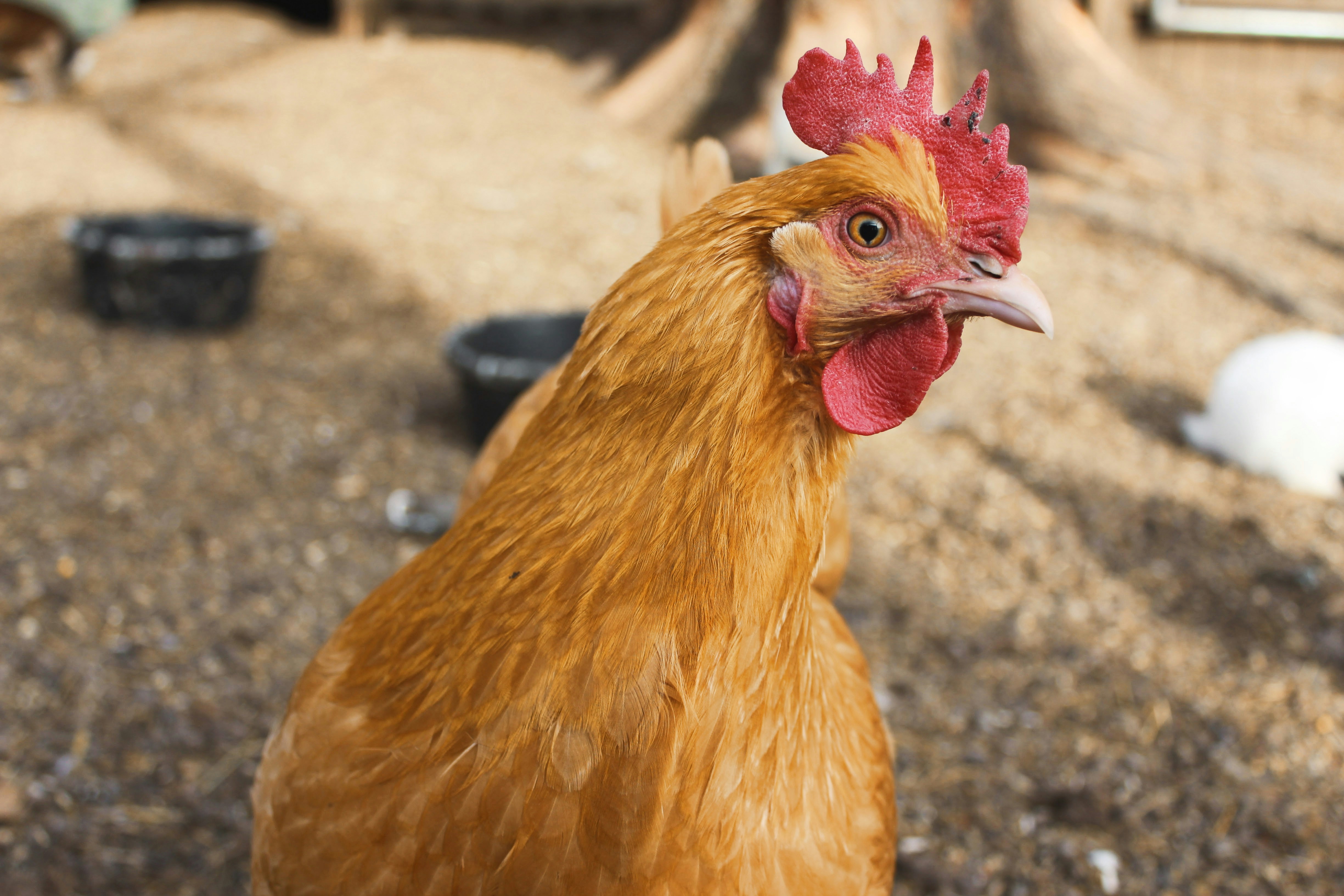
Chicken its turning head

Chicken Wing Disection - body systems

Chicken wing dissection

Chicken anatomy, Feather identification, Anatomy
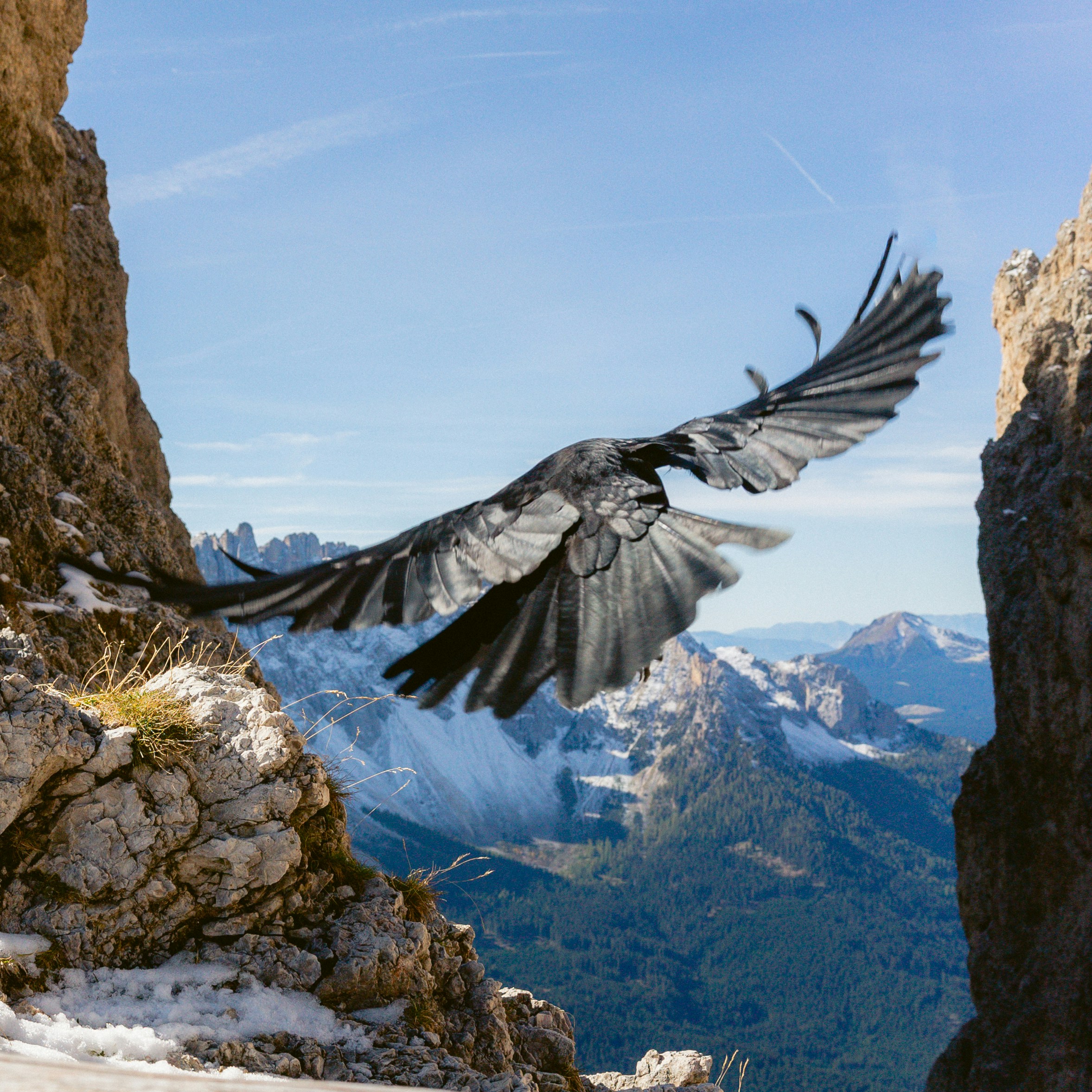
Flight

Chicken wing dissection

muscular system - Amber's portfolio

Chicken Wing Dissection

an old brick building in red wing, minnesota

Chicken Wing Dissection Lab Answer Key Pdf - Home Student
How to Clip a Chicken's Wing

Dissecting A Chicken Leg | Chicken legs, Muscular system ...

Labeled Parts of the Chicken Wing

33 Label Synovial Joint - Labels For Your Ideas
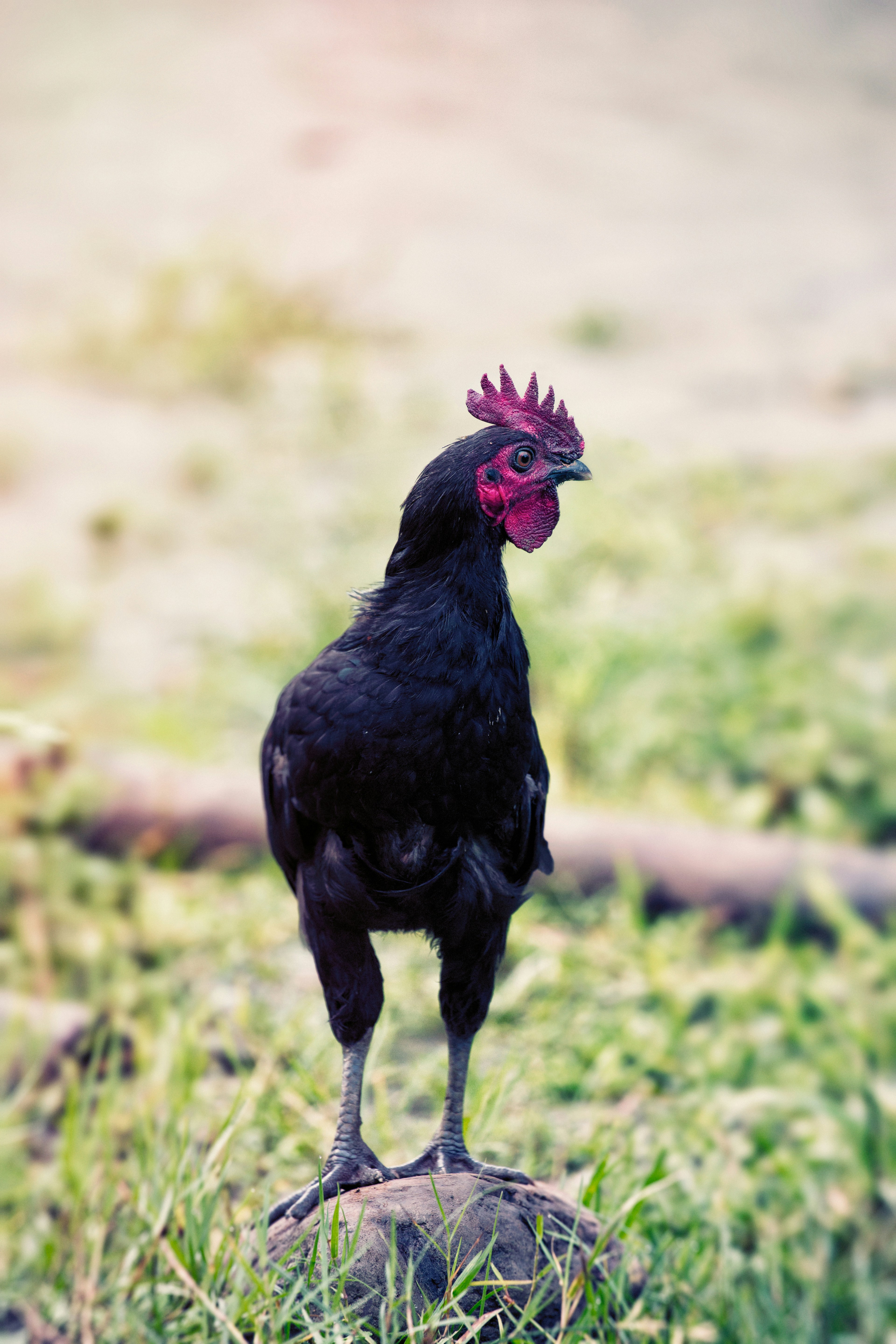
Cluck!?

wing anatomy - ПоиÑк в Google | Griphon | Pinterest | Bird ...

Muscular system - Body systems

Anatomy of Chicken | 4-H: Poultry | Pinterest | Anatomy ...

Chicken wing dissection

Chicken Wing Dissection - Body Systems

Lookout

Majorca sunset from above

9 Best Images of Chicken Diagram Worksheet - Chicken Parts ...

Learn the parts of a Chicken - Aggelakis Poultry Products

Kitchens Are Monkey Business: Rosie Makes Buffalo Wings ...
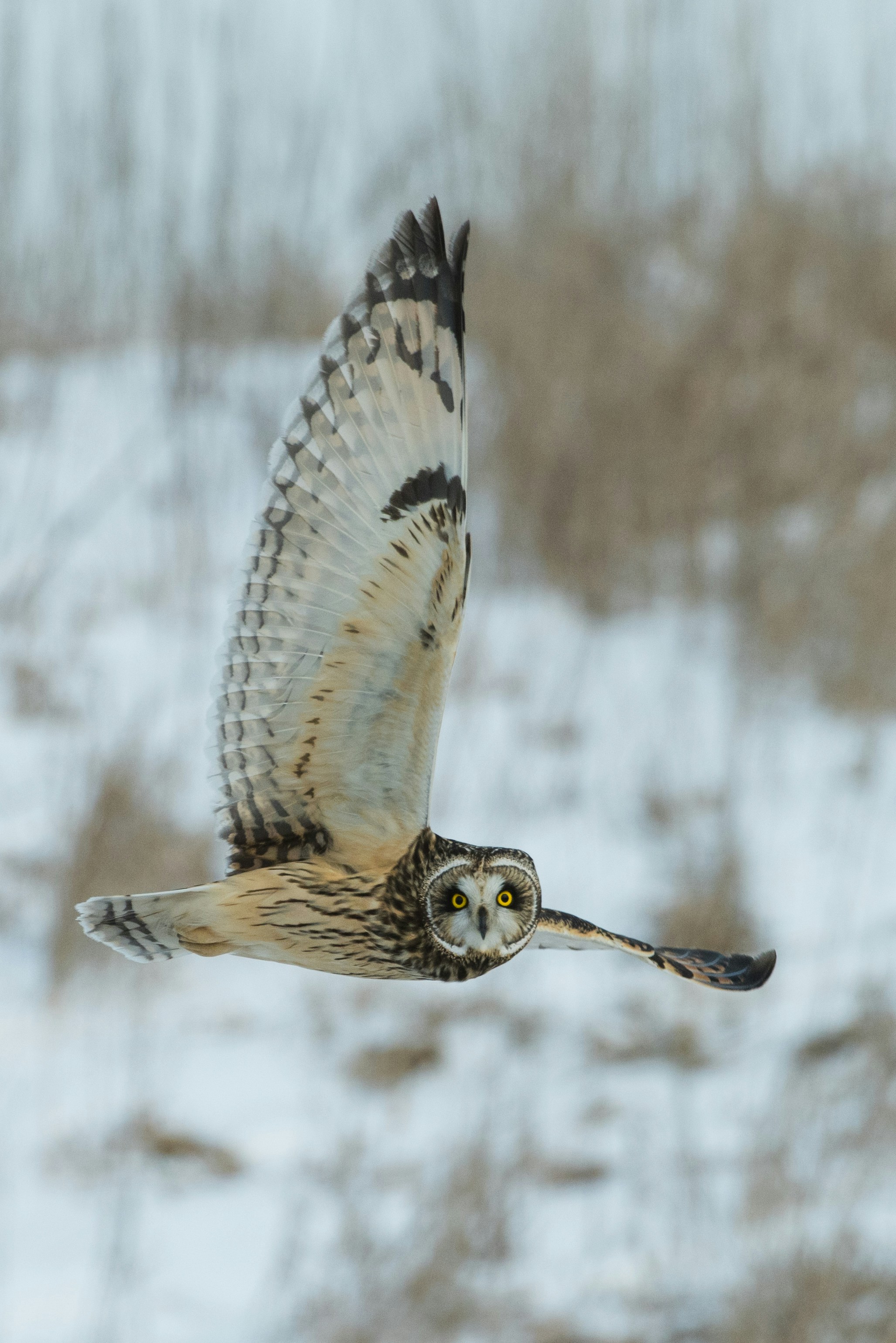
An exceptional day for photographing owls in the wild! After days of snow and cold, the owls were very active and obviously hungry, taking to the air in the afternoon (generally they take to the air around dusk). In the area there were about twenty owls , with as many as ten visible at one time.

Describe any interesting observations you made about the ...
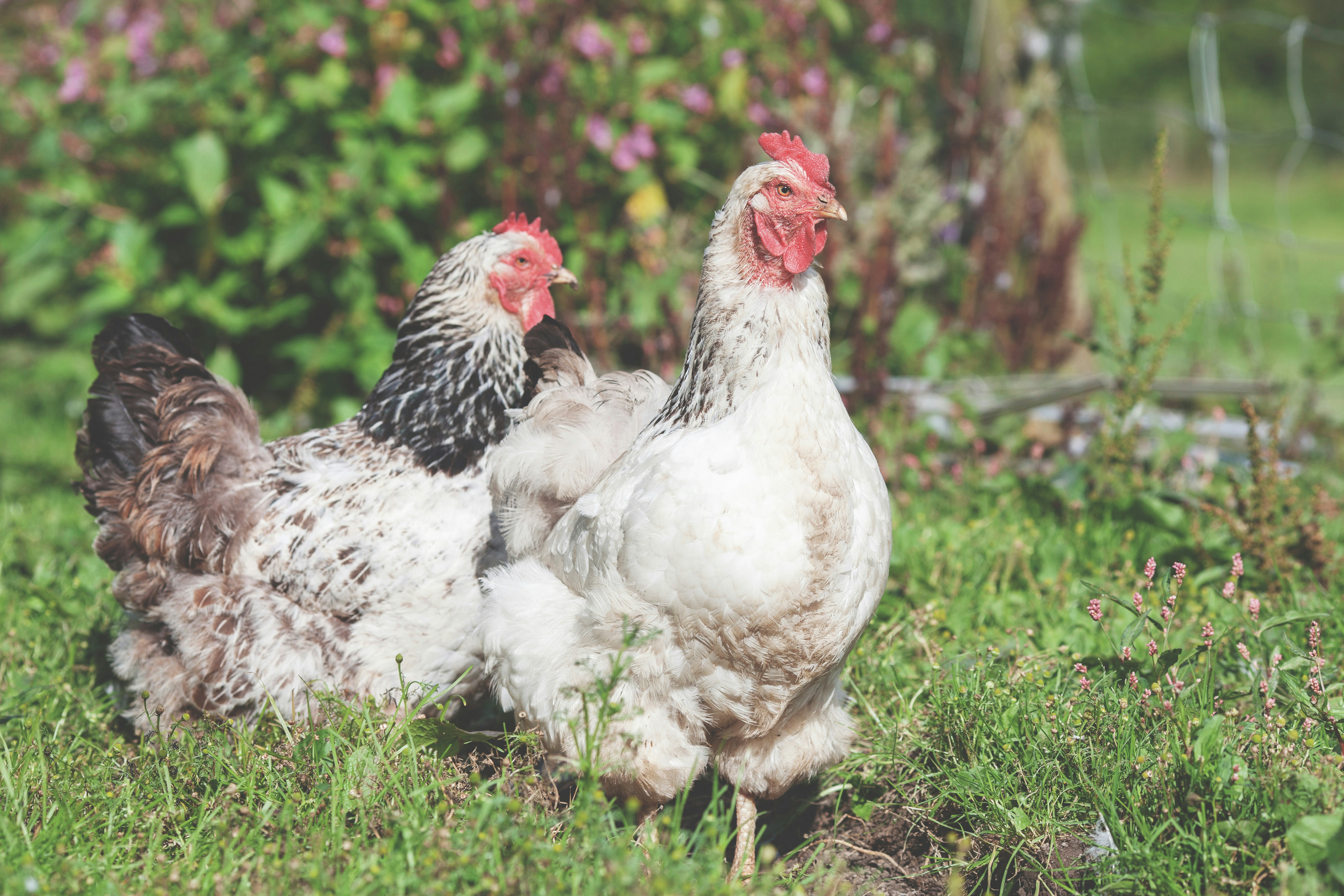
hens

Chicken Wing Tendon Diagram - Chicken Wing Dissection ...

muscular system - portfolio


Comments
Post a Comment