42 free body diagram practice
Free Body Diagrams Worksheet ... For the free body diagram below, are the ... Directions: Draw a free body diagram to show the forces acting in each example ...2 pages A free-body diagram is a representation of an object with all the forces that act on it. The external environment (other objects, the floor on which the object sits, etc.), as well as the forces that the object exerts on other objects, are omitted in a free-body diagram. Below you can see an example of a free-body diagram:
(b) Use your free-body diagrams to help determine an expression for the tension in the cable. SOLUTION We should start by drawing a diagram, shown below as part a of Figure 3.17. This shows the cable attached to the top of the elevator. (a) Your free-body diagram is the same as the free-body diagram we would draw if you were simply

Free body diagram practice
complete the below practice problems. e the forces in the box below and label each on your Free Body Diagram (FBD). Contact Forces. Field Forces.4 pages Travel around the physics lab drawing the forces acting on objects in 8 situations!-----8 Stations to test your strength in drawing forcesTravel the room, dr... Free-body diagrams are diagrams used to show the relative magnitude and direction of all forces acting upon an object in a given situation. A free-body diagram ...6 pages
Free body diagram practice. Here are three questions about the acceleration of a bike. I give you the answer to the first question, but the other two are left for you to answer. The Free-Body Diagram Interactive allows a learner to practice identifying the forces that act upon an object and to express such an understanding by the construction of a free-body diagram. Visit: Free-Body Diagram Practice Apply the method described in the paragraph above to construct free-body diagrams for the various situations described below. A free body diagram consists of a diagrammatic representation of a single body or a subsystem of bodies isolated from its surroundings showing all the forces acting on it. In physics and engineering , a free body diagram (force diagram, [1] or FBD) is a graphical illustration used to visualize the applied forces , moments , and resulting ... Print Practice Using Free-Body Diagrams to Calculate Balanced Forces Worksheet 1. A cart is moving across a table in physics class. When the applied force is 5N, the frictional force is also 5N.
Free Body Diagrams. Practice Problems. Construct free-body diagrams for the various situations described below. Use the following forces.2 pages Free Body Diagrams Practice Problems Construct free-body diagrams for the various situations described below. 1. A book is at rest on a table top. Diagram the forces acting on the book. 2. A girl is suspended motionless from a bar which hangs from the ceiling by two ropes. Diagram the forces acting on the girl. 3. An egg is free-falling from a ... The free body diagram helps you understand and solve static and dynamic problem involving forces. It is a diagram including all forces acting on a given object without the other object in the system. You need to first understand all the forces acting on the object and then represent these force by arrows in the direction of the force to be drawn. Practice Problems Explanation Free body diagrams are always represented in the form of two-dimensional figures, which consist of the 'X' and 'Y' axis. In classical mechanics, 3D representations are not preferred at least at the basic level, to maintain simplicity for solving problems.
On Line Quiz # 7: Free Body Diagrams. This activity was created by a Quia Web subscriber. Statics (MET 2214) Free-Body Diagram (FBD): To apply equilibrium equations we must account for all known and unknown forces acting on the particle. The best way to do this is to draw a free-body diagram of the particle. FBD: A diagram showing the particle under consideration and all the forces and moments acting on this particle. Free Body Diagrams The above diagram shows two blocks of respective masses m 1 = 7 kg m_1 = 7 \text{ kg} m 1 = 7 kg and m 2 = 2 kg m_2 = 2 \text{ kg} m 2 = 2 kg which are connected by a massless string and placed on a horizontal frictionless surface. The free-body diagram in each case consists of only the dark, solid arrows. Forces of the same magnitude or lines of the same length are indicated by the same number of "tick" marks drawn through the two lines or arrows. Symbols:w=weight, T=tension,n=normal reaction force,f=friction. TNote that the 2Itension is not iproportional to string length.
Practice Free-body Diagrams: Android App : r/EngineeringStudents
_____ Free Body Diagram Practice For each scenario, draw the Free Body Diagram for the object shown. 1. The object lies motionless. 2. The object is suspended from the ceiling. 3. The object is falling at terminal (constant) velocity. 4. The object slows down due to friction. 5. The object is being pushed at a constant velocity. 6.

Free Body Diagrams Practice Problems Online | Brilliant
Lesson Worksheet: Free-Body Diagrams. In this worksheet, we will practice analyzing free-body diagrams and use them to determine the net force and unknown forces acting on objects. In which of the following diagrams do the directions of all the vectors shown correctly represent the vectors in a free-body diagram of the forces acting on Earth ...

Week 5 - Ms. Delp's Class Website
Practice Drawing a Free Body Diagram for a Piston with practice problems and explanations. Get instant feedback, extra help and step-by-step explanations.

Lesson Worksheet:Free-Body Diagrams | Nagwa
Question 2. SURVEY. 30 seconds. Q. Match description with free-body diagram. answer choices. A book is at rest on a tabletop. A gymnast holding onto a bar, is suspended motionless in mid-air. The bar is supported by two ropes that attach to the ceiling. Diagram the forces acting on the combination of gymnast and bar.
An Introduction to Forces: More Practice
Free-Body Diagrams Practice Package Free body diagrams (otherwise known as FBD's) are simplified representations of an object (the body) in a problem, and include force vectors acting on the object. This body is free because the diagram will show it without its surroundings; i.e. the body is 'free' of its environment. This

Free Body Diagrams-Engineering Mechanics-Lecture Slides - Docsity
Check your understanding of Newton's Third Law in this free set of practice problems aligned to AP physics standards. ... Practice: Newton's third law and free-body diagrams. This is the currently selected item. Newton's third law of motion. More on Newton's third law. Next lesson.

Need Help ï¼ï¼ï¼ï¼ï¼ï¼ï¼ï¼ The figures show free-body ...
What is a Free Body Diagram (FBD)? An FBD shows the forces and their locations on a body. ... 12K+ Practice Tests / Practice Exams and Online Quizzes. 1.2 Million+ Multiple Choice Test Questions / Practice Questions 700+ Subjects Covering All Test Prep, Competitive Exams, ...

Free Body Diagrams Worksheet
Practice: Introduction to free body diagrams. This is the currently selected item. Introduction to forces and free body diagrams review. Next lesson. Newton's first law: Mass and inertia. Types of forces and free body diagrams. Introduction to forces and free body diagrams review. Up Next.

01 Practice Drawing FBD Worksheet.pdf - SPH3U DRAWING FREE ...
free-body diagrams, then you ought to be concerned. Continue to review the the list of forces and their description and this page in order to gain a comfort with constructing free-body diagrams.. 1. Free Worksheets for the Muscular System - Homeschool Giveaways Free Body Diagrams Practice Problems Construct free-body diagrams
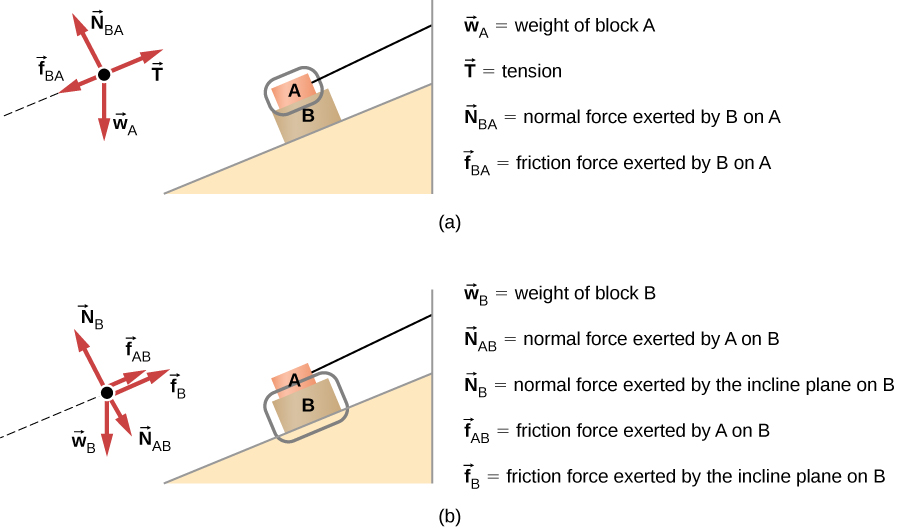
5.7 Drawing Free-Body Diagrams | University Physics Volume 1
Free-Body Diagrams Practice Package Free body diagrams (otherwise known as FBD's) are simplified representations of an object (the body) in a problem, and include force vectors acting on the object. This body is free because the diagram will show it without its surroundings; i.e. the body is 'free' of its environment. This

Forces and Freebody Diagram Notes - ppt download
Let's apply the problem-solving strategy in drawing a free-body diagram for a sled. In Figure (a), a sled is pulled by force P at an angle of 30∘ 30 ∘. In part (b), we show a free-body diagram for this situation, as described by steps 1 and 2 of the problem-solving strategy. In part (c), we show all forces in terms of their x - and y ...

Prep-Physics Practice Final Exam Free body diagram 1. Dale skis
Often a Free Body Diagram is useful or necessary to solve a problem that involves forces. Follow these steps, and you'll solve any problem with little difficulty. 1. Draw one Free Body Diagram for each object (see below for what is a good FBD). 2. Break the forces up into components. 3.

Free Body Diagrams Free Body Diagram Visual representation
Free Body Diagrams. Practice your skill at constructing free-body diagrams for a given physical situation. Twelve different descriptions of a physical situation are presented; your goal is to determine the type and relative magnitude of the forces acting upon the described object.

PPT - An Introduction to Forces: More Practice PowerPoint ...
the answers are gravity,electrical,and magnetic. the answers are normal,buoyant,friction,air resistance tension…. what are free body diagrams. the answer is they are simplified diagrams that are used to sh…. what is a free body diagram an example…. the answer is a vector diagram,since each force must have magn…. 15 Terms.

SPH4C Free Body Diagram Worksheet | PDF | Force | Gravity
Worksheet #1 Free Body or Force diagrams… Drawing Free-Body Diagrams . Free-body diagrams are diagrams used to show the relative magnitude and direction of all forces acting upon an object in a given situation. A free -body diagram is a special example of the vector diagrams; these diagrams will be used throughout your study of physics.

Free Body Diagram Practice, Free body diagrams 2, Inertia ...
Free-body diagrams are diagrams used to show the relative magnitude and direction of all forces acting upon an object in a given situation. A free-body diagram ...6 pages

free-body diagram (FBD) worksheet:
Travel around the physics lab drawing the forces acting on objects in 8 situations!-----8 Stations to test your strength in drawing forcesTravel the room, dr...

Quiz & Worksheet - Solving Free-Body Diagrams | Study.com
complete the below practice problems. e the forces in the box below and label each on your Free Body Diagram (FBD). Contact Forces. Field Forces.4 pages
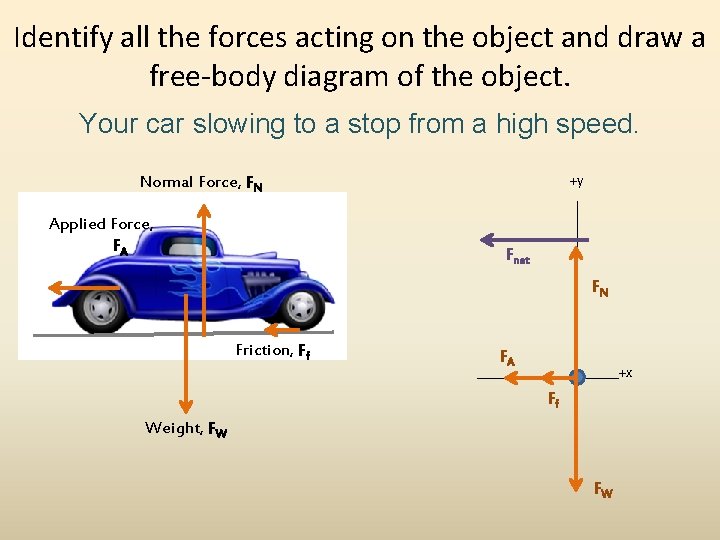
Practice with Freebody Diagrams Renate Fiora Identify all

Free Body Diagrams, Tutorials with Examples and Explanations
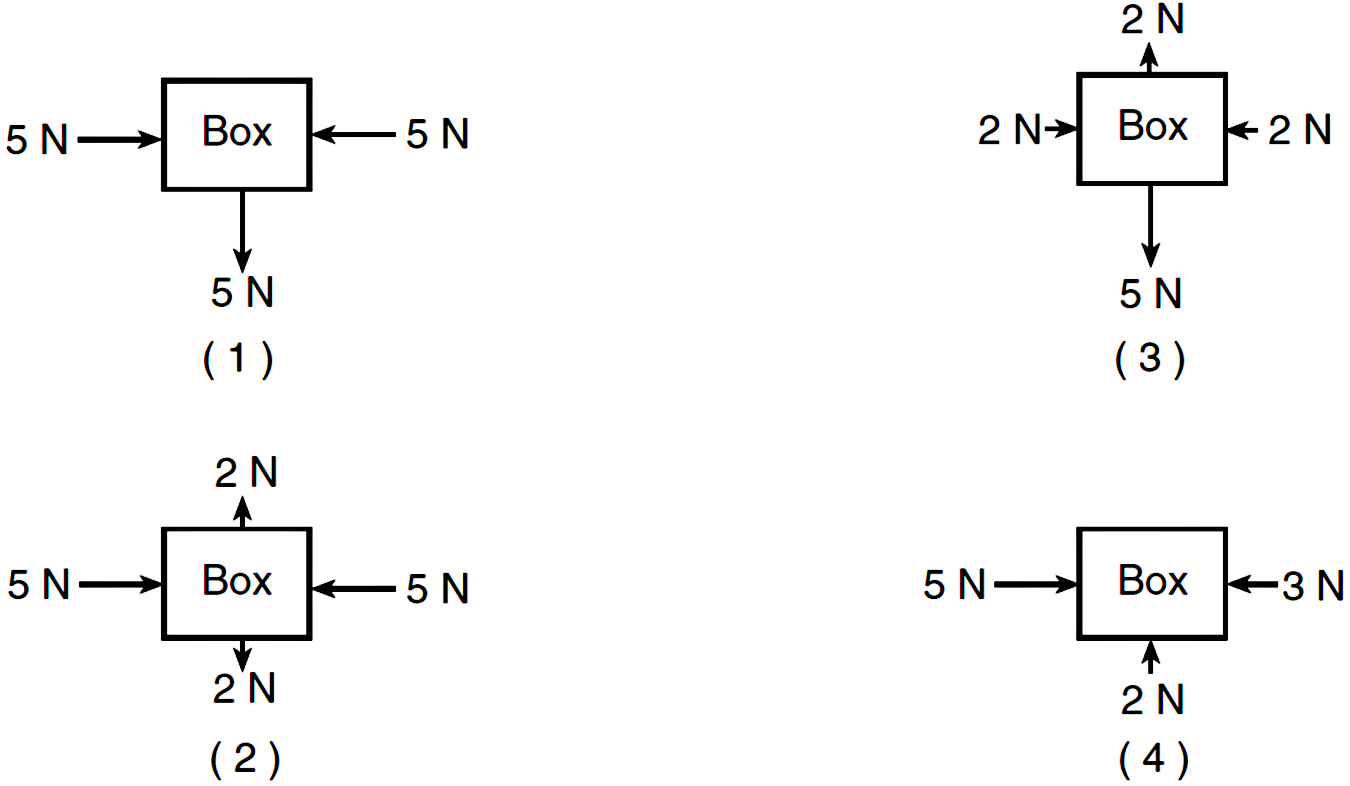
Free Body Diagrams

Resultant Force Diagrams Practice | Teaching Resources

Free Body Diagram Practice Problems - Wiring Site Resource

Force Diagram Practice Worksheet Bundle (Free Body Diagrams)
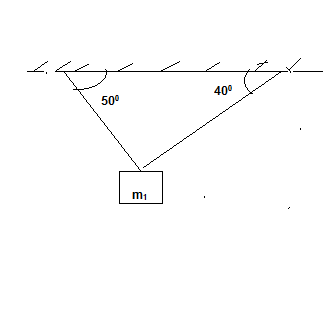
Free Body Diagrams : Definition, Concepts, Examples, Practice ...

PDF) Drawing and using free body diagrams: Why it may be ...
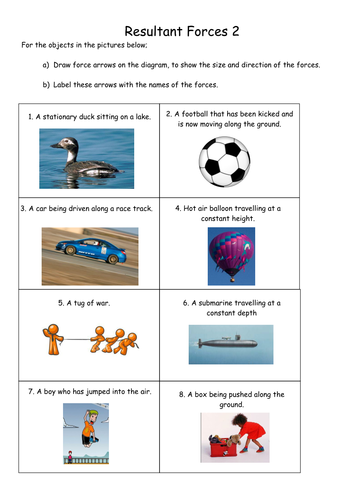
Force diagrams | Teaching Resources
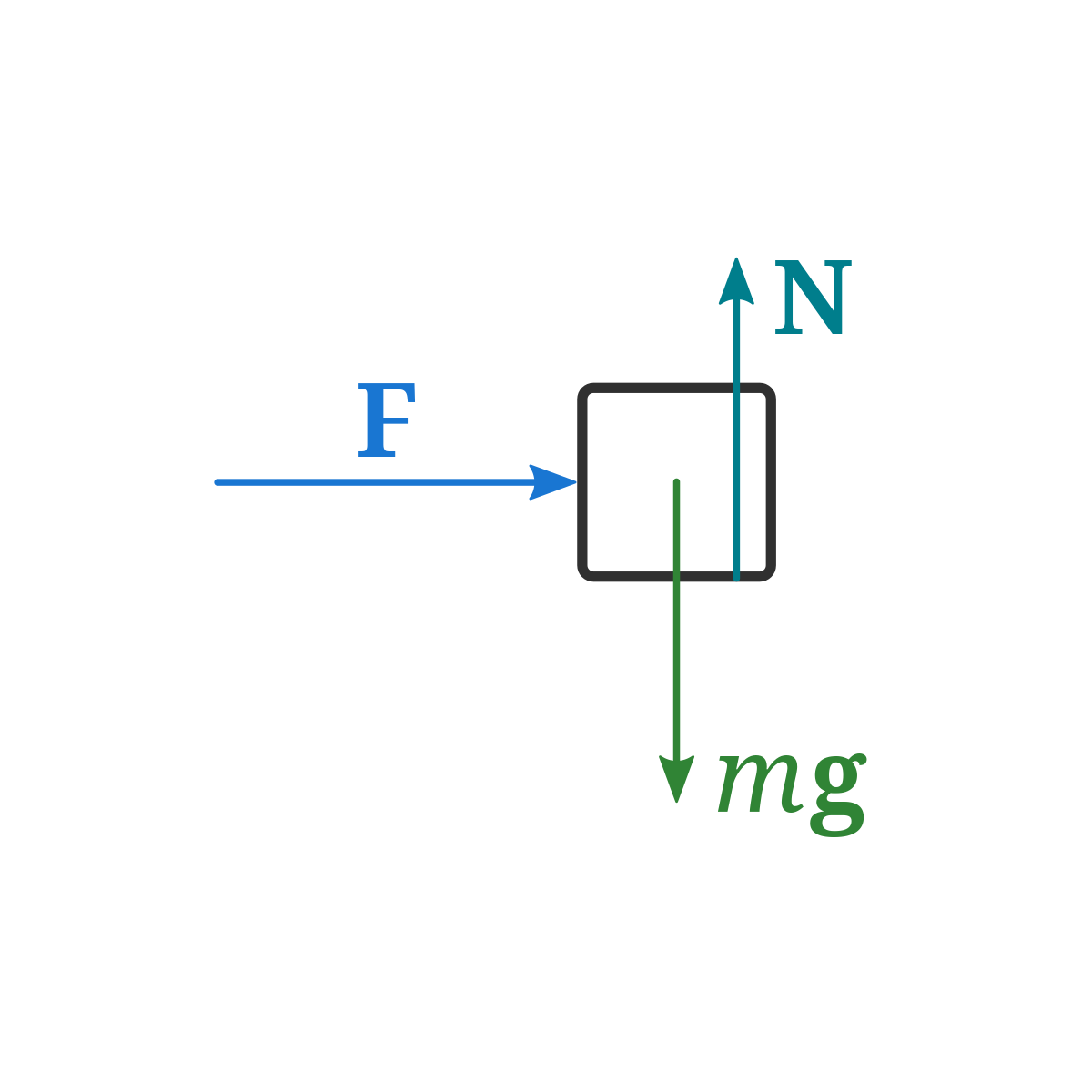
What is a Free-Body Diagram and How to Draw it (with Examples ...

Kami Export - Free Body Diagram Practice (1).pdf - Free Body ...

PDF) Drawing and using free body diagrams: Why it may be ...

Topic - Mechanics-Free Body Diagram | ShowMe Online Learning
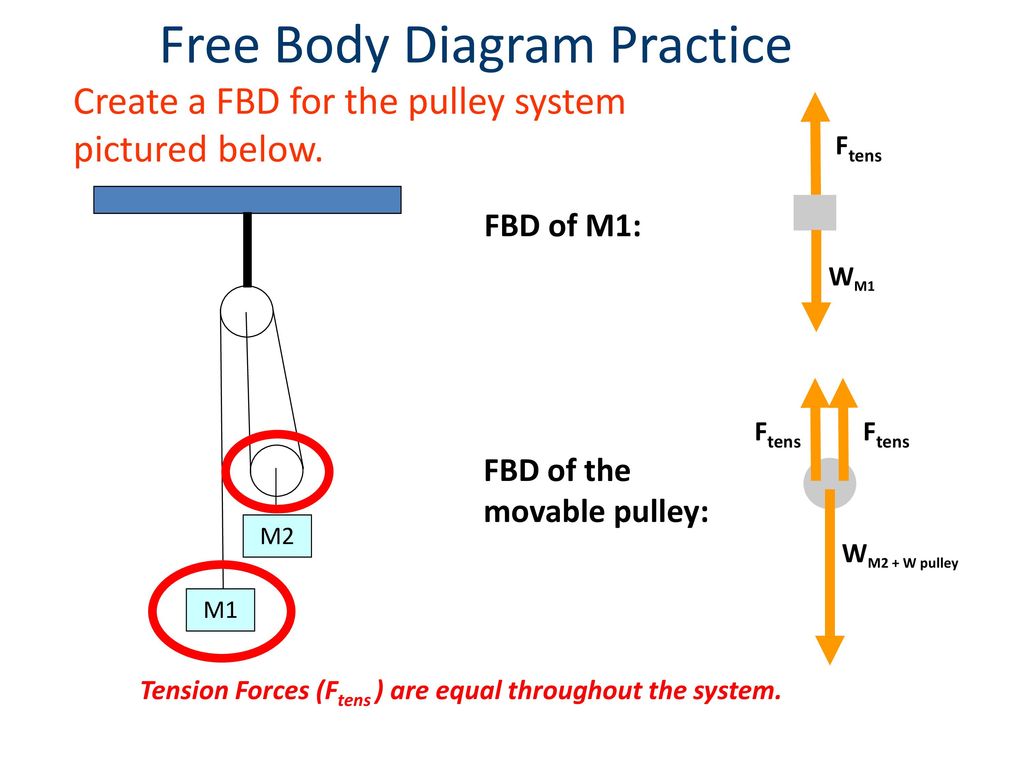
FORCES AND FREE BODY DIAGRAMS - ppt download

High School Physics - Identifying Forces and Systems ...

SOLVED:Frec-body diagram practice Due Feb: 10,2017 (Friday ...

unit_3b_practice_problems_0.pdf - Unit 3B Free-Body Diagrams ...
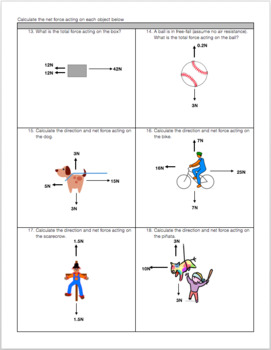
Free Body Diagram & Net Force Practice Worksheet

free body practice

3.5 Free-body Diagrams Practice - Free...Draw a free-body ...
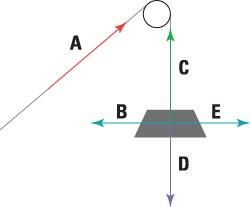
Free-Body Diagrams in Physics Problems - dummies

1.4: Free Body Diagrams - Engineering LibreTexts

Solved Practice Test Problem 13.6 Draw a free body diagram ...

Solved Warm Up #4 Free-body diagrams are diagrams used to ...


Comments
Post a Comment