39 shark brain diagram
Shark Spiracle. The sharks spiracle is a vestigial first gill slit, which is located behind the eye and is used to provide oxygenated blood directly to the eye and brain through a separate blood vessel. It is absent in some species of shark, particularly fast swimming sharks. Shark Gill Slits Small pores on the head/body of the shark, which are connected to ampullae sacs which contain sensory cells connected to the brain. The ampullae sacs allow the shark to sense weak electric fields given off by other fish/mammals in the water.
Around a shark's head is an entire sensory network called the ampullae of Lorenzini, a very unique part of the shark anatomy. Each ampulla is composed of a cluster of sensory cells that ultimately enables sharks to detect prey that may be hiding in the sand, and even possibly notice changes in the water's temperature, pressure, salinity ...
Shark brain diagram
The basking shark (Cetorhinus maximus) is the second-largest living shark and fish, after the whale shark, ... This species has the smallest weight-for-weight brain size of any shark, reflecting its relatively passive lifestyle. Basking sharks have been shown from satellite tracking to overwinter in both continental shelf (less than 200 m or 660 ft) and deeper waters. They may … shark osmoregulates in a way unique compared to most other vertebrates. The shark kidney extracts urea from urine and returns the urea to the blood, whereby it concentrates urea in the blood. In this way the osmotic pressure of the shark's body fluids are maintained as high as that of sea water. With this system the shark does not lose water or ***We are hoping to get our coloring pages converted to HTML5 so our online coloring tool may work again, but currently all pages can still be downloaded and printed.***Hey all you creative scientists! Here is a way to have fun coloring while learning about the living world. These coloring pages and worksheets feature different areas of biology as well as fun facts.
Shark brain diagram. The brain, stomach, liver, and kidneys are same as in man for the fish and perform the same function. Some organs are different; man has lungs to breathe whereas fish has gills for the same purpose. The name and function of the internal organs are listed below with their functions. Start studying Dogfish shark brain. Learn vocabulary, terms, and more with flashcards, games, and other study tools. Human and shark brains: The shark brain diverged on the evolutionary tree from the human brain, but both still have the “old” structures of the hindbrain and midbrain dedicated to autonomic bodily processes. The Midbrain . The midbrain is located between the hindbrain and forebrain, but it is actually part of the brain stem. It displays the same basic functional composition found in … Examine the dorsal view photographs of the shark's brain by clicking the blue lettered links in the column to the right. Forebrain. The telencephalon is the most anterior portion of the brain which includes the following parts: The olfactory bulbs are paired extensions of the anterior portion of the brain.
Start studying Shark Brain & Cranial Nerves III. Learn vocabulary, terms, and more with flashcards, games, and other study tools. D. Sillman; 7/17/2009 and seminal fluid from the cloaca of the male to the cloaca of the female during copulation. Female - A pair of ovaries lies against the dorsa l body wall, one on each side of the esophagus. In mature specimens, enlarged ova may form several rounded projections on the surface of the ovaries. 12/05/2020 · Which two organisms are the most closely related? A) lamprey and gorilla B) salamander and lizard C) tiger and shark D) lizard a … nd lamprey Analyze the given diagram of the carbon cycle below. An image of carbon cycle is shown. The sun, a cloud, two trees, one towards left and the other to … wards right, an animal, lake, and a factory are included. Arrow … shark brain Flashcards. Browse 190 sets of shark brain flashcards. Study sets Diagrams Classes Users. 9 Terms. mohsuk. Shark Brain. Olfactory Bulb. Olfactory tract. Olfactory lobe.
This ClipArt gallery offers 142 illustrations of the anatomy of fish, including organ diagrams, skeletal diagrams, fish eggs, and more for numerous species. Abdominal "Pertaining to the abdomen or belly; situated in or on the abdomen: as abdominal ventral fins."-Wright, ... Brain. Section of the brain of porbeagle shark. Shark skeletons are made of cartilage. This is strong and durable, yet much more flexible and lighter than bone. Being lighter helps a shark to stay afloat and reduces the amount of energy they need to move about. The flexibility of cartilage also allows them to make tight turns quickly. Making them one of the most agile animals in the ocean. 06/03/2019 · Above, an activation atlas of the InceptionV1 vision classification network reveals many fully realized features, such as electronics, buildings, food, animal ears, plants, and watery backgrounds.Grid cells are labeled with the classification they most support. More specifically, We show a linear approximation of the effect of these average activation vectors of a grid cell on … The cookiecutter shark (Isistius brasiliensis), also called the cigar shark, is a species of small squaliform shark in the family Dalatiidae.This shark occurs in warm, oceanic waters worldwide, particularly near islands, and has been recorded as deep as 3.7 km (2.3 mi). It migrates vertically up to 3 km (1.9 mi) every day, approaching the surface at dusk and descending with the dawn.
Ultrastructural immunocytochemistry of GLUT1 in shark ...
The sea squirt eats its brain as part of its life cycle. It does not so much “eat” or “digest” its simple brain. Instead, it recycles it to make other, more useful organs. Garden lizards also eat their tails for calcium. 18. Sloths come down from their trees once a week to use the bathroom. Yes, it is true. Sloths only go to the bathroom once a week. They leave their tree only for ...

Image result for shark brain | Shark brain, Brain diagram ...
A SHARK'S BRAIN Sharks and rays have very large and complex brains. Little is known about these brains. Sharks's brains to body mass ratio is higher than most other fish and is comparable to many other vertebrates, including some mammals. Brain size and complexity vary from shark species to species. The sharks with the largest brain:body weight ...

Structure of Spinal Cord in Fishes (With Diagram)
Start studying Shark Brain 3. Learn vocabulary, terms, and more with flashcards, games, and other study tools.

Shark biology - The Sharks Domain
The shark embryo has provided a canonical morphological scheme of the head, with its epithelialized coelomic cavities (head cavities), which have often been regarded as head somites. To understand the evolutionary significance of the head cavities, the embryonic development of the mesoderm was investigated at the morphological and histological ...

Ichthyology ECOL 482/582 Fall 2007
Lawrence 1960 1.3 - Terminal nerve - Wikipedia. Find this Pin and more on Body • Nervous System by bonnie_bonkins. Cranial Anatomy. Shark Brain. Body Nervous System. Lóbulo Frontal. Brain Diagram. Evolution. School.

shark brain
Anatomy is the branch of biology concerned with the study of the structure of organisms and their parts. Here at Animal Corner we have compiled some of the most comprehensive diagrams and descriptions of all aspects of Animal anatomies so you can understand the specie you know and love. Interested in wolf paws and how […]

Shark Fine Cove
Structure and Function of the White Shark Brain. The shark brain has long been impugned as being tiny, simple, and relatively unimportant. Superficial examinations of the brain of small, evolutionarily conservative sharks — such as the Spiny Dogfish (Squalus acanthias) — seemed to bear this out.Experiments severing the spinal cord of swimming dogfishes, so that the brain could no longer co ...
What would happen if one side of a hammerhead shark's head ...
The same spinal nerves emerge as in the shark. Comparative Brain Models . Having reviewed the structure of the Dogfish Brain, the Mudpuppy brain and the dissected Sheep Brain, examine the series of brain models of Dogfish, Perch, Frog, Alligator, Pigeon, Rabbit and Cat, to review the evolutionary story.

Untitled Document [www.bio.sunyorange.edu]
30/12/2021 · “Diagram Fungi” watercolor and ink, 42cm x 30cm I have always been fascinated by patterns and old books, things like the Codex Leicester, a collection of scientific writings by Leonardo da Vinci or the Aztec Codex.

Image from page 476 of "Comparative anatomy and physiology" (1885)
Shark Physical Characteristics. There are more than 400 shark species in the ocean, but they all have the same basic anatomy. This astonishing anatomy masterfully designed by evolution is what sets sharks apart from other types of aquatic life including whales and dolphins.. Understanding the shark anatomy will give you a glimpse of the evolutive adaptations that have made sharks the flawless ...
What would happen if one side of a hammerhead shark's head ...
The brain is hollow in most places, perforated by uneven ventricles (a hollow part or empty space within a solid object in an organ). The ventricles are filled with a so-called cerebrospinal fluid, which assists with the chemical regulation of the brain. The shark's sense of smell is particularly acute, and takes almost two-thirds of the brain.

Dorsal views of the brains from six representative species ...
Shark Brain 2. 30 terms. mcwilbk. Other sets by this creator. Plants and common names. 83 terms. gwen_nicholls. Plants & Families. 83 terms. gwen_nicholls. Final Exam. 151 terms. gwen_nicholls. rat digestive system. 12 terms. gwen_nicholls. Other Quizlet sets. PSY 381 Abnormal Psychology. 70 terms. teilathompson88. REL Exam 1. 48 terms. cth___

British Library digitised image from page 508 of "The Geological Evidences of the Antiquity of Man, with remarks on theories of the origin of species by variation. Illustrated by woodcuts"
***We are hoping to get our coloring pages converted to HTML5 so our online coloring tool may work again, but currently all pages can still be downloaded and printed.***Hey all you creative scientists! Here is a way to have fun coloring while learning about the living world. These coloring pages and worksheets feature different areas of biology as well as fun facts.
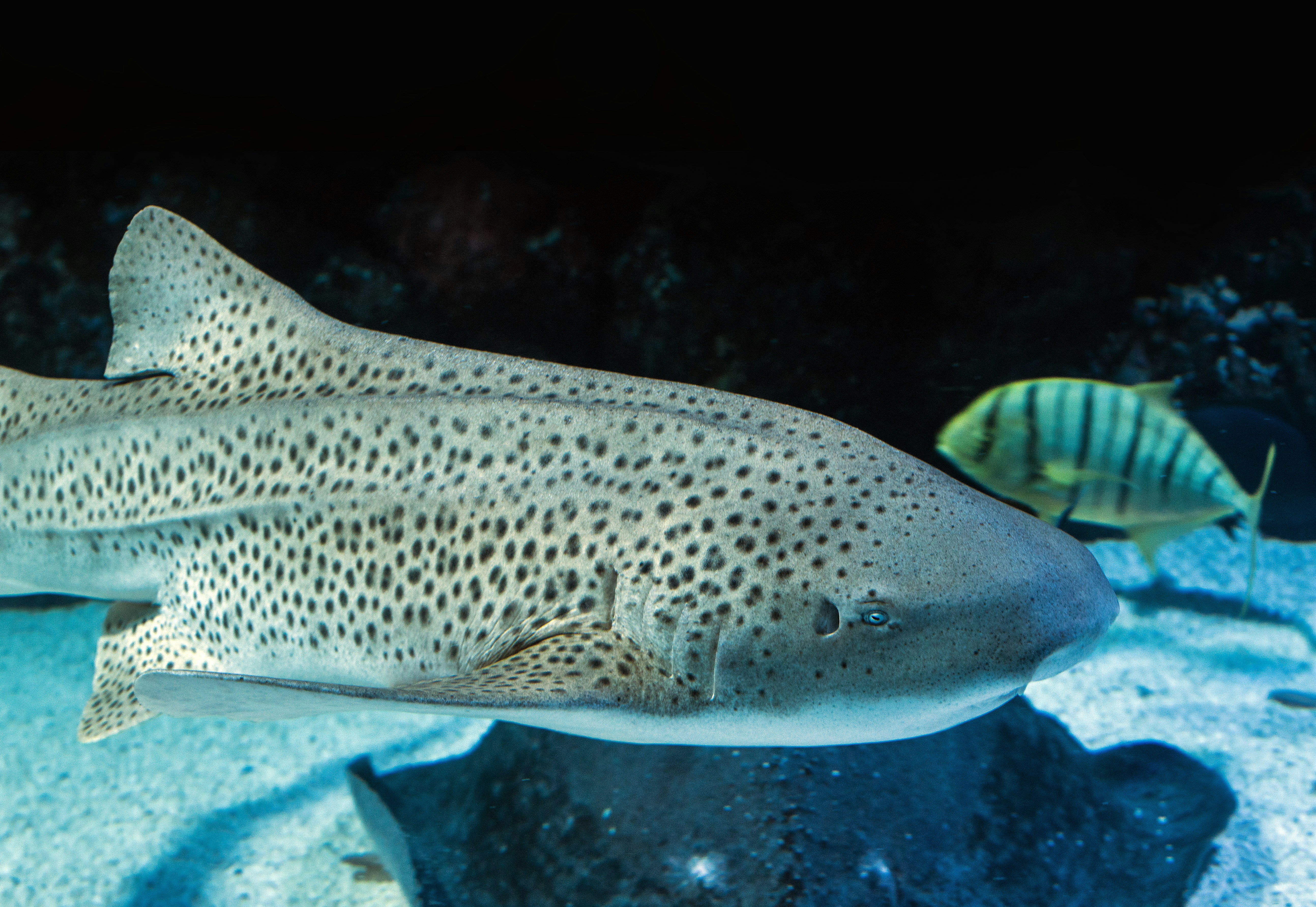
A Leopard shark glides over the bottom of the big tank at the Cairns Aquarium.
shark osmoregulates in a way unique compared to most other vertebrates. The shark kidney extracts urea from urine and returns the urea to the blood, whereby it concentrates urea in the blood. In this way the osmotic pressure of the shark's body fluids are maintained as high as that of sea water. With this system the shark does not lose water or

Reflection
The basking shark (Cetorhinus maximus) is the second-largest living shark and fish, after the whale shark, ... This species has the smallest weight-for-weight brain size of any shark, reflecting its relatively passive lifestyle. Basking sharks have been shown from satellite tracking to overwinter in both continental shelf (less than 200 m or 660 ft) and deeper waters. They may …
35 Shark Brain Diagram - Wiring Diagram Database

Bio 324 Vert Zoo CSULB: Drum fish dissections

Shark Fin Cove

29 Shark Brain Diagram - Wiring Database 2020
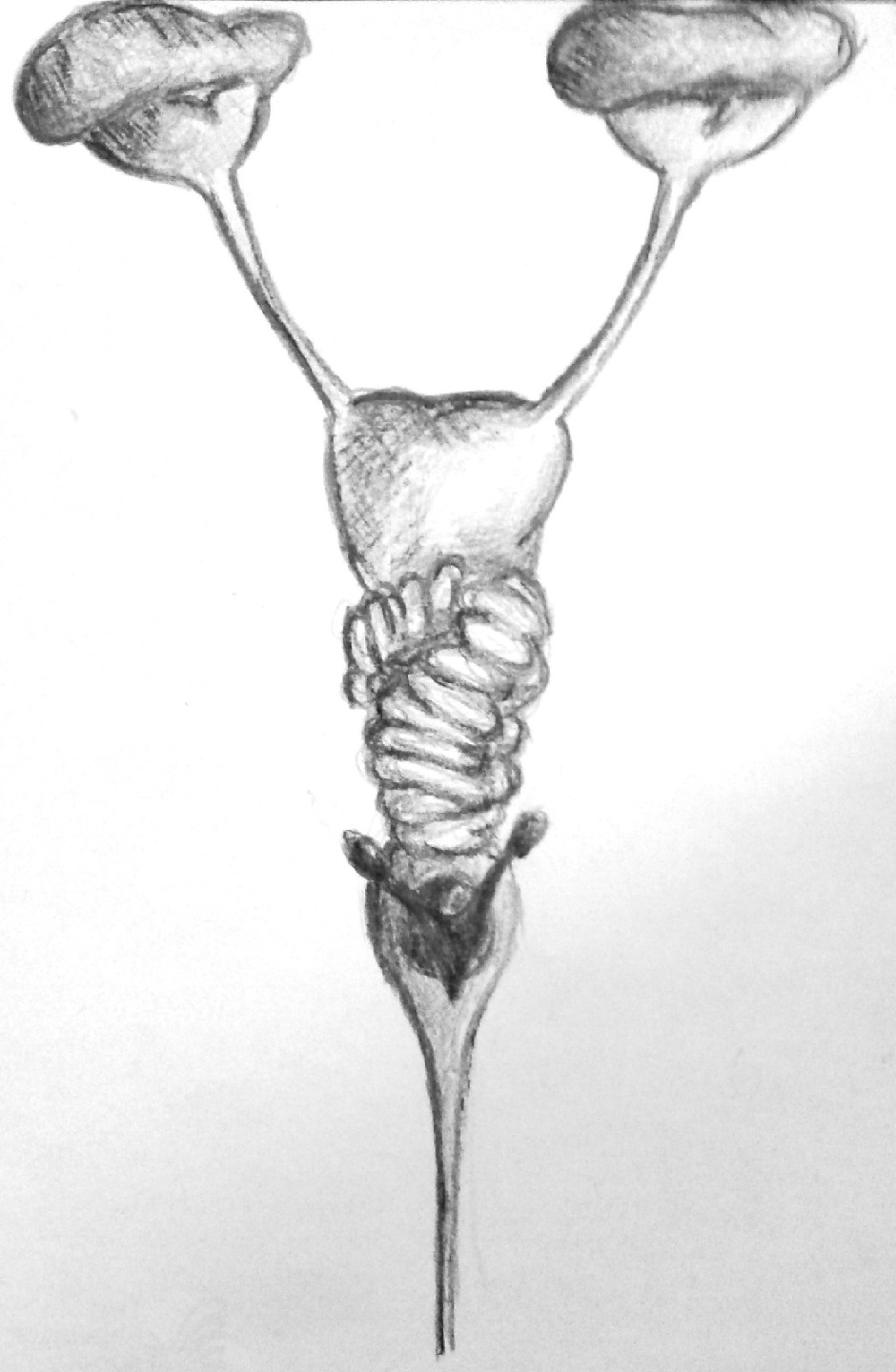
Shark physiology - Things We Don't Know

Shark Brain Diagram - Wiring Diagram

34 Shark Brain Diagram - Wiring Diagram List

Pin on Every living thing

Digital Fish Library
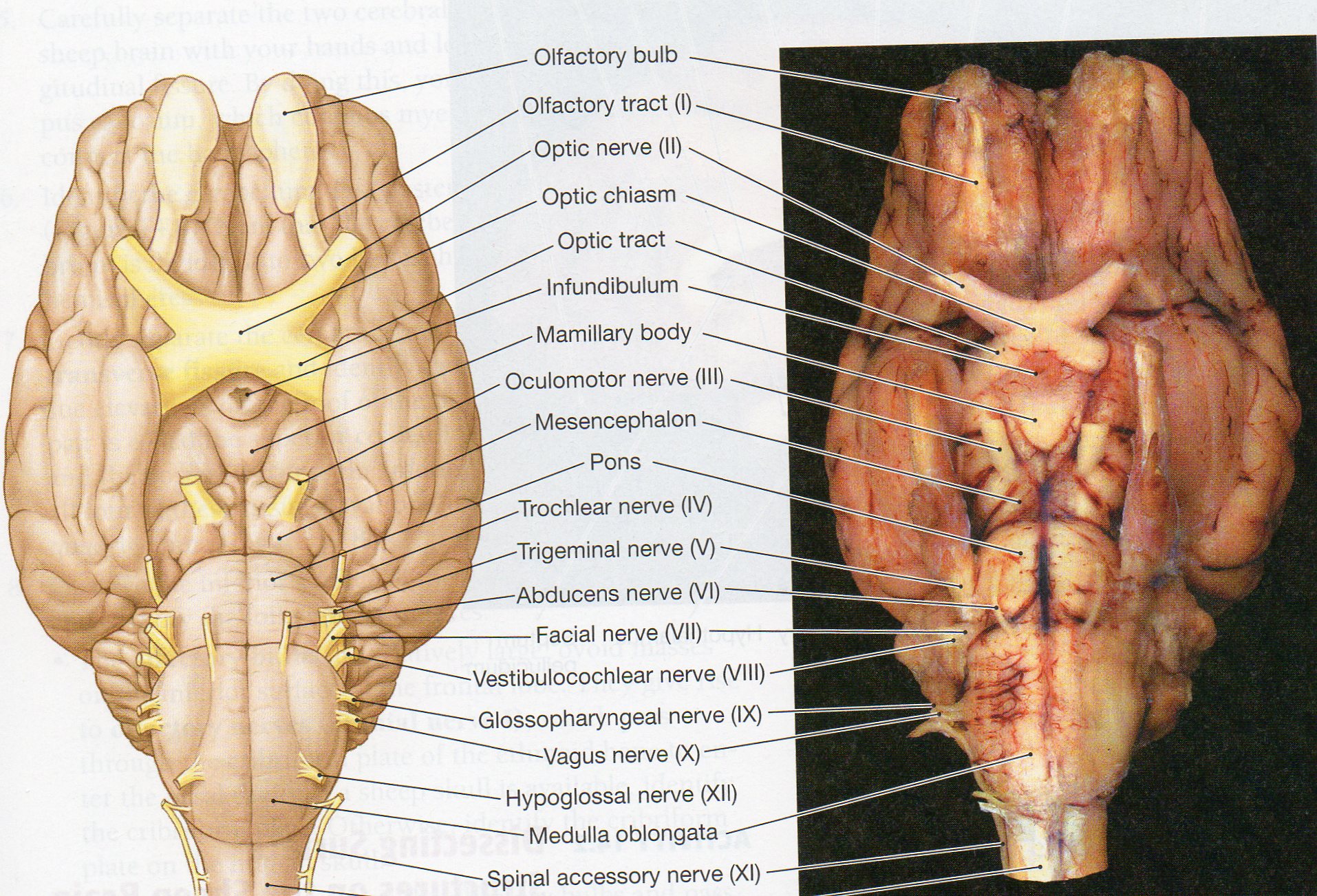
Physiological Psychology

Dissection Of A Great White Shark - Business Insider

Dr. Ross's Comparative Anatomy Course at CBU

Lawrence 1960 1.3 - Terminal nerve - Wikipedia | Shark ...

Image from page 77 of "Comparative anatomy of vertebrates" (1912)

Labeled Shark Brain Diagram

29 Shark Brain Diagram - Wiring Database 2020
Labeled Shark Brain Diagram

Shark Brain Diagram - Wiring Diagram
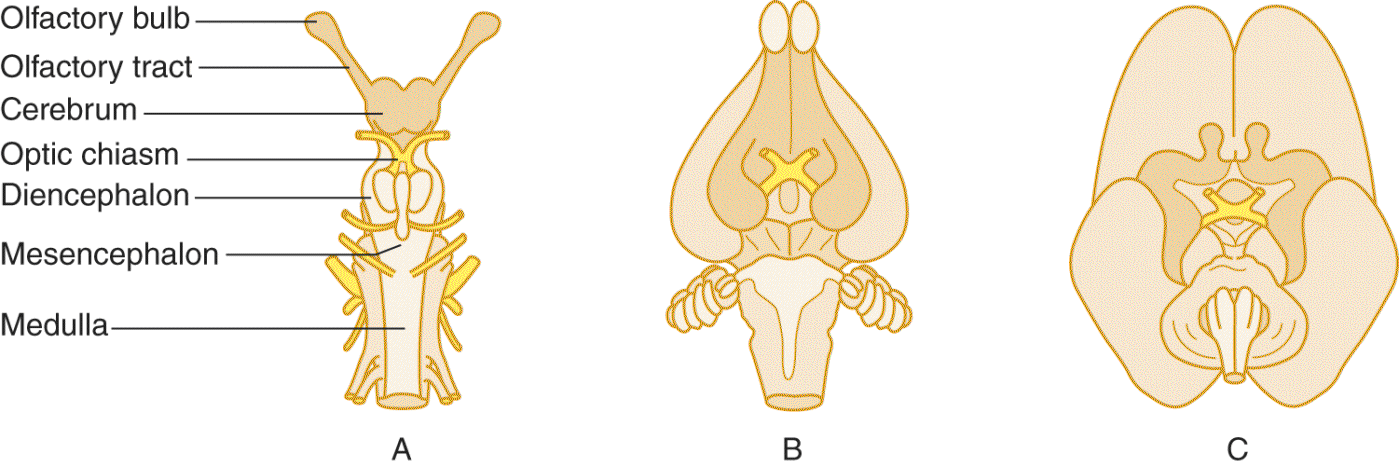
Examination of the Special Senses | Neupsy Key

Dissection journal by Kathalaura on DeviantArt

Bio 324 Vert Zoo CSULB: February 2011

Labeled Shark Brain Diagram

Chapter 34 Vertebrates

Image from page 452 of "The Bashford Dean memorial volume :" (1930)


Comments
Post a Comment